
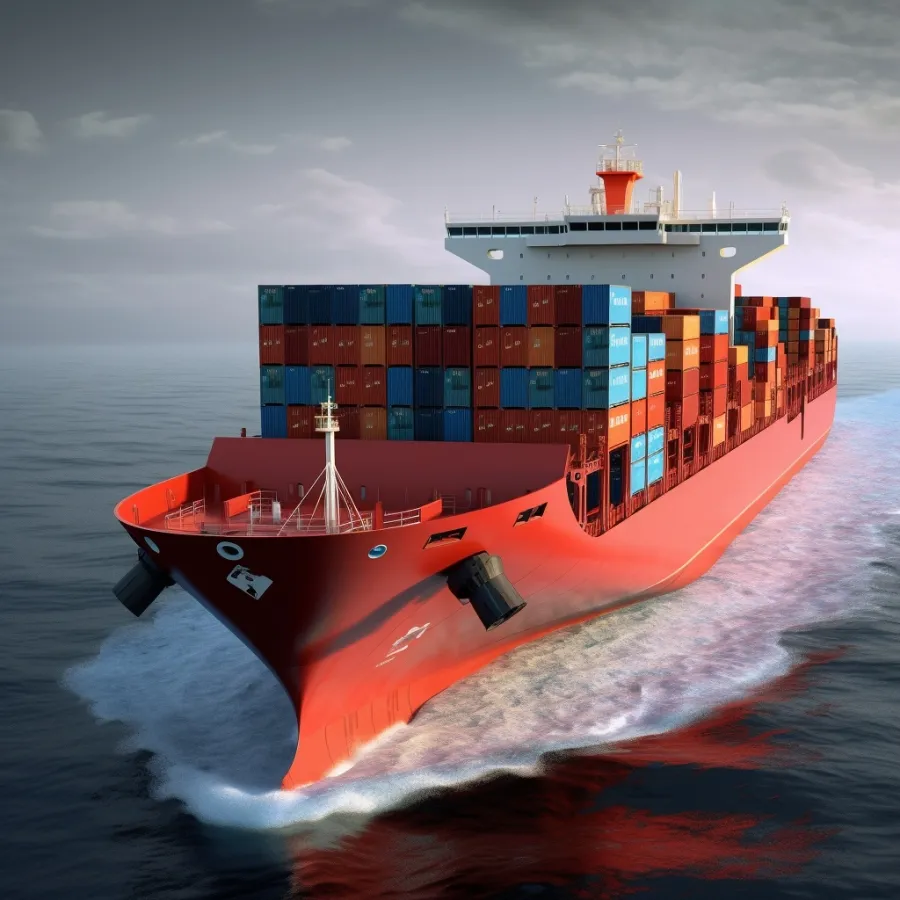
Shipping between Lebanon and Africa
GHO Express handles freight in both directions on the Lebanon-Africa trade lane, exporting goods from Beirut to destinations across the African continent, and importing African-origin goods into Lebanon. With more than five decades of forwarding experience since 1971, we arrange the right mode for each shipment: air freight for speed and time-critical cargo, sea freight (FCL or LCL) for volume and cost efficiency, and end-to-end customs clearance at both origin and destination.
An honest note on coverage: our physical operations are in Lebanon only. We do not have an office anywhere in Africa. Instead, we coordinate the African leg through our long-standing global partner and agent network, which manages import formalities, ground handling and final delivery on the continent, while you deal with a single point of contact at our Beirut office.
Why the Lebanon-Africa trade lane matters
Africa is a growing market for Lebanese exporters, particularly in processed foods, building materials, pharmaceuticals, consumer goods and industrial equipment. Lebanese diaspora communities across West and East Africa also generate regular personal effects and groupage shipments in both directions. The trade lane presents genuine logistical complexity: variable port infrastructure, evolving import regulations, and long transit times to inland destinations require a forwarder with experience and reliable in-country partners. GHO Express has been navigating these complexities since 1971.
How we handle the lane
- Export from Lebanon, we collect your cargo anywhere in Lebanon, manage Lebanese export customs clearance, and book the air or sea leg from Beirut. For export procedures, see customs clearance.
- Main carriage, by air from Beirut’s Rafic Hariri International Airport to major African gateway airports, or by sea from Beirut Port to African ports (direct or via transhipment hubs such as Algeciras, Malta or Port Said). Compare air freight and sea freight.
- African arrival, our partner network on the ground clears the shipment through import customs, handles any local regulatory requirements, and arranges final delivery to the consignee’s address.
- Reverse lane (imports from Africa), we also handle African-origin shipments into Lebanon, managing export formalities at origin through our agents and Lebanese import clearance on arrival.
Document checklist for Lebanon-Africa exports
Prepare these documents for a typical export consignment:
- Commercial invoice (with declared value and HS commodity codes)
- Packing list (weights, dimensions, number of packages)
- Certificate of origin, legalised by the Lebanese Chamber of Commerce
- Bill of lading (sea) or air waybill (air), issued by GHO Express
- Pre-shipment inspection certificate (required by some African importers and authorities)
- Product-specific certificates (halal, phytosanitary, health, CE marking as applicable)
- Export licence or permit (for controlled goods)
We confirm the exact checklist for your commodity and destination country before booking, so nothing stalls your shipment at an African port of entry.
Modes and realistic timelines
| Route | Mode | Typical Transit |
|---|---|---|
| Beirut → North Africa (Alexandria, Casablanca, Tunis) | Sea (FCL/LCL) | 5-14 days |
| Beirut → West Africa (Abidjan, Dakar, Lagos) | Sea (FCL/LCL) | 3-5 weeks |
| Beirut → East Africa (Mombasa, Djibouti) | Sea (FCL/LCL) | 3-5 weeks |
| Beirut → Any major African gateway | Air | 2-5 days |
Transit times are indicative and depend on vessel schedules, transhipment points and local port congestion. We provide a confirmed estimate with each quotation.
Why GHO Express for Lebanon-Africa freight
- Since 1971, over fifty years of freight forwarding experience through Beirut, including long-standing African trade-lane relationships.
- FIDI member, the international quality benchmark for moving and logistics operations.
- Global agent network, vetted partners across Africa who handle clearance and delivery to the standard we require.
- Multi-mode capability, air, sea, and project cargo on the same trade lane, from one Beirut team.
Looking to move goods between Lebanon and Africa? Request a quote with your origin, destination, cargo details and preferred mode, and our team will come back with routing options, a realistic transit time and a clear cost breakdown.
Related services
Frequently asked questions
Does GHO Express have offices in Africa?
No. Our physical offices are in Lebanon, our Beirut headquarters at St. Charles City Center, Mina El Hosn, and our airport cargo office at Rafic Hariri International Airport. We serve African markets through our global partner and agent network, which handles import clearance and last-mile delivery on the ground across the continent, while you retain a single point of contact with our Beirut team.
Which African countries can GHO Express ship to from Lebanon?
We handle freight to and from destinations across Africa through our global agent network, including North African countries such as Egypt, Morocco, Tunisia and Libya; West African markets including Ivory Coast, Senegal and Nigeria; East African hubs such as Kenya and Ethiopia; and markets in southern Africa. Contact us with your specific destination and we will confirm routing and transit times.
How long does shipping from Beirut to Africa take?
Air freight to major African gateways typically takes 2-5 days from Beirut depending on the destination and available routings. Sea freight timelines vary considerably by port, routes to North Africa (e.g. Port of Alexandria or Casablanca) can take as little as 5-10 days, while ports in East or West Africa may require 3-6 weeks. We provide a realistic transit estimate when we quote your shipment.
What documents are required to ship cargo from Lebanon to Africa?
Standard export documents include a commercial invoice, packing list, bill of lading or air waybill, and certificate of origin. Many African customs authorities require a certificate of origin legalised by the Lebanese Chamber of Commerce, and some countries require pre-shipment inspection or specific product certifications. Our team confirms the exact document checklist for your destination before booking.
Can I ship full container loads (FCL) as well as smaller consignments (LCL) to Africa?
Yes. We arrange both FCL (full container load) and LCL (less-than-container-load) sea freight from Beirut to African ports. For smaller, urgent or high-value consignments, air freight is also available. We advise on the most cost-effective mode and consolidation options for your specific cargo and African destination.
What Incoterms are commonly used on the Lebanon-Africa lane?
EXW and FOB are common choices for exporters who want to hand off at the factory or port. CIF is widely used for ocean shipments to Africa, as many African importers prefer cost-inclusive pricing to their port. DAP and DDP work well when the consignee wants a delivered price. We help you choose the Incoterm that clearly defines responsibility at every leg of the journey.