
Importing goods from China and Asia to Lebanon
GHO Express manages sea and air freight imports on the Lebanon-China/Asia trade lane, bringing goods from China, Hong Kong, South Korea, Japan, Vietnam, Taiwan, India and the wider Asian manufacturing corridor into Beirut. Lebanese importers have trusted us to manage this lane since 1971, five decades of understanding how to move goods through Beirut Port and Rafic Hariri International Airport efficiently.
An honest note on coverage: our physical offices are in Lebanon only. We do not have a branch in China or elsewhere in Asia. We manage the Asian origin leg through our long-established global partner and agent network, partners who handle cargo consolidation, carrier bookings and origin documentation on the ground, while your single point of contact remains our Beirut team.
Modes available on the Lebanon-Asia import lane
Sea freight from China to Beirut, FCL and LCL
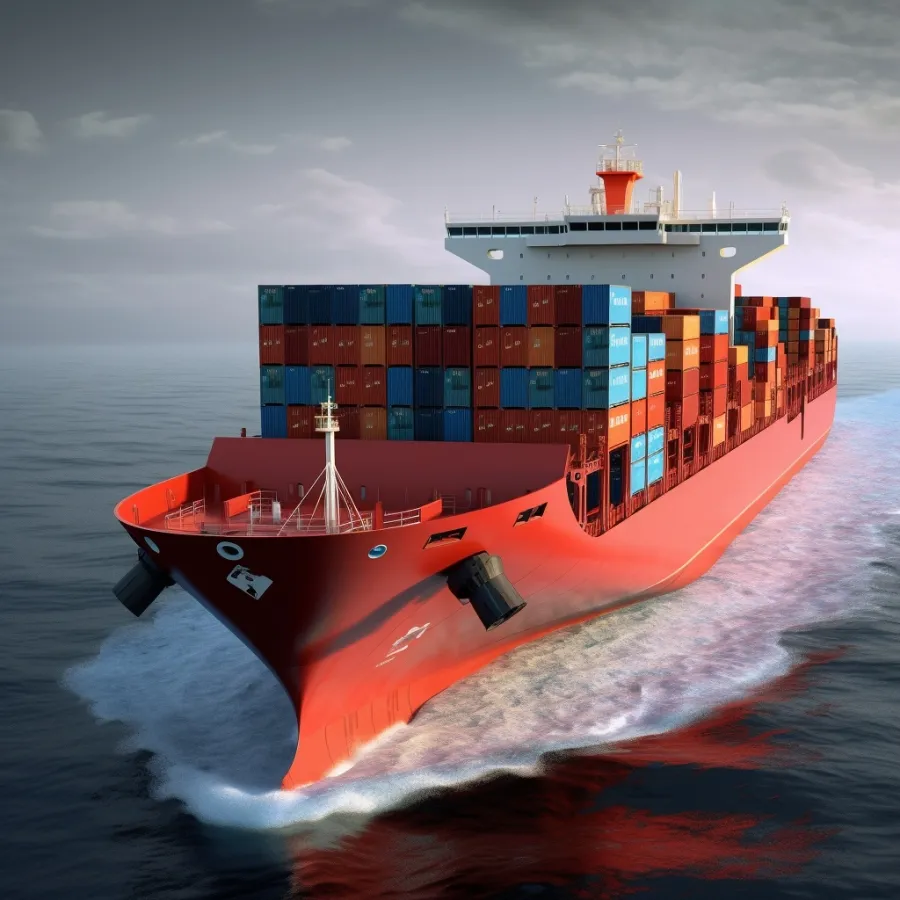
Sea freight is the primary mode for the China-Lebanon import lane and the most economical choice for any consignment that can wait 25-40 days.
- FCL (full container load), a dedicated 20 ft or 40 ft container loaded at your supplier’s factory or at an origin consolidation depot and shipped directly to Beirut Port. FCL suits importers with regular, high-volume orders.
- LCL (less than container load / groupage), your cargo is consolidated at an origin container freight station (CFS) with other shippers’ cargo, shipped in a shared container and deconsolidated at Beirut. LCL is cost-effective for smaller or irregular shipments.
Major Chinese origin ports we work with include Shanghai, Ningbo, Guangzhou (Nansha), Shenzhen (Yantian), Tianjin and Qingdao. Transit times to Beirut Port range from approximately 25-35 days direct to 35-45 days via transhipment hubs such as Port Said, Damietta or Piraeus, depending on carrier scheduling.
See our sea freight service for full FCL/LCL capability.
Air freight from China and Asia to Beirut
Air freight is the right choice for urgent, high-value, perishable or low-volume cargo from Asia. Flights from Chinese hubs (Shanghai Pudong, Beijing Capital, Guangzhou Baiyun, Shenzhen Bao’an) to Beirut’s Rafic Hariri International Airport typically transit in 3-6 days depending on routing. Air cargo often involves one transhipment at a Middle East hub (e.g. Doha or Dubai) on the way to Beirut.
GHO Express has an office in the Cargo Village at Rafic Hariri International Airport, so we handle the Beirut arrival directly. See air freight for the complete service.
How we handle a China-to-Lebanon import shipment
- Enquiry and quote. You tell us the origin city, port or airport, your supplier’s address, the commodity, weight and dimensions, and your required timeline. We check carrier options, confirm your commodity’s customs requirements, and issue a written quotation covering sea or air freight, destination customs clearance and inland delivery in Lebanon.
- Booking and cargo pickup. Our Asian partner network co-ordinates cargo collection from your supplier and delivery to the origin port or airport. For FCL, we arrange container positioning and stuffing; for LCL, we book space at the nearest CFS.
- Documentation. We check the commercial invoice, packing list and certificate of origin before shipment. If any document needs amendment, we flag it before the cargo departs, not after it arrives in Beirut.
- Ocean or air transit. The shipment moves on the agreed carrier. We provide tracking milestones at departure, transhipment (if applicable) and estimated arrival.
- Beirut customs clearance. Our brokers file the customs declaration with Lebanese Customs, at Beirut Port or the airport, pay applicable duties and taxes, and release the cargo. See customs clearance for the detailed process.
- Inland delivery. We arrange final delivery to your warehouse or premises anywhere in Lebanon, or you collect on an EXW-Lebanon basis from the customs release point.
Document checklist for imports from China to Lebanon
Prepare or request the following from your Chinese supplier before the cargo ships:
- Commercial invoice, showing supplier and buyer details, description of goods, unit price, total value, currency and Incoterm.
- Packing list, itemised by carton/pallet: quantities, net and gross weights, dimensions.
- Bill of lading (sea) or air waybill, issued by the carrier; we co-ordinate this.
- Certificate of origin, standard Chamber of Commerce CO, or Form E for preferential treatment under applicable agreements.
- Customs import declaration, prepared by our brokers in Beirut using the above documents.
- Conformity certificates or test reports, required for regulated products (electronics, toys, cosmetics, food-contact materials and others).
- Health or phytosanitary certificates, for food, plants and certain agricultural goods.
- Import permit, for restricted commodities such as certain chemicals, medicines and controlled goods.
We confirm the exact document list for your HS codes and commodity type before booking, so nothing blocks your cargo at Beirut customs.
Beirut Port customs clearance for China imports
Lebanon’s customs process at Beirut Port involves presenting the commercial documents, classifying the goods under the HS tariff schedule, paying customs duty (rates vary by commodity and origin) and VAT, and obtaining customs release. Inspection rates at Beirut Port can be high on certain commodity types, so accurate documentation and correct HS classification matter.
Our in-house customs team has managed Lebanon import formalities for over fifty years. We know which commodity codes attract inspection, how to prepare a complete customs declaration, and how to work with port authorities to keep dwell time short. For more on our customs process, see customs clearance.
Warehousing after arrival in Lebanon
If your import needs short-term storage before distribution, or if you are building stock ahead of a peak season, our warehousing and distribution service provides secure, bonded and general warehouse capacity in Beirut.
Why GHO Express for the Lebanon-China/Asia import lane
- Since 1971, more than fifty years of importing into Lebanon; we know Beirut Port and Beirut Airport formalities inside out.
- FIDI member, the international quality benchmark for freight and moving operations, which means consistent processes and accountability.
- Asian partner network, established agents at Chinese and Asian origin ports who consolidate cargo, manage documentation and secure carrier bookings reliably.
- Multi-modal capability, sea (FCL and LCL) and air freight under one team, with clear advice on when to use each.
- In-house customs clearance, our brokers file and manage Lebanese customs declarations directly, reducing hand-offs and delays.
- Warehousing option, storage and distribution after arrival, so your import operation is end-to-end with one partner.
Whether you are importing factory goods from Guangzhou, electronics from Shenzhen, textiles from Shanghai or manufactured parts from Vietnam, GHO Express manages the full supply chain from your Asian supplier’s door to your Lebanese warehouse. Request a quote with your origin city, commodity, weight and timeline, and our team will respond with a clear routing, realistic transit time and competitive rate.
Frequently asked questions
Does GHO Express have an office in China or Asia?
No. Our physical offices are in Lebanon, our Beirut headquarters at St. Charles City Center, Mina El Hosn, and our airport cargo office at Rafic Hariri International Airport, LAT Building, Cargo Village. We handle the China and Asia legs through our established global partner and agent network, which manages origin consolidation, carrier bookings and documentation on the ground, while you retain a single point of contact with our Beirut team.
How long does sea freight from China to Lebanon take?
Direct or near-direct sailings from major Chinese ports (Shanghai, Ningbo, Guangzhou/Nansha, Tianjin) to Beirut Port typically take 25-35 days. Routings via a transhipment hub such as Port Said, Damietta or Piraeus can add 5-10 days depending on vessel schedules. We quote a realistic transit range when we know your origin port, commodity and required service level.
What documents do I need to import goods from China to Lebanon?
A standard Lebanon-bound import from China requires a commercial invoice, packing list, bill of lading (or air waybill for air freight), certificate of origin (Form E if claiming ASEAN-Arab League preferences, or a standard Chamber of Commerce CO), and a customs declaration filed with Lebanese Customs. Depending on the commodity, you may also need conformity certificates, phytosanitary documents, health certificates or import permits. Our team confirms the exact checklist for your HS codes before shipment.
Can I ship a less-than-container (LCL) load from China to Lebanon?
Yes. If your cargo does not fill a full 20 ft or 40 ft container, LCL (groupage) consolidation is the cost-effective option. Your goods share container space with other shippers' cargo and are deconsolidated at Beirut. Transit times are similar to FCL, typically 28-40 days door-to-port, and you pay only for the cubic metres or weight your cargo occupies.
What are the common challenges when importing from China to Lebanon, and how does GHO Express help?
The most common issues are documentation gaps (missing or incorrect certificates of origin, under-declared values), port congestion at both origin and Beirut, currency and payment logistics given Lebanon's banking environment, and finding reliable consolidators in China. With more than fifty years of forwarding experience and an established Asian partner network, GHO Express pre-checks your documents, books reliable carriers with confirmed space, and coordinates the customs clearance in Beirut to minimise delays.
What Incoterms are typically used on the China-Lebanon import lane?
Lebanese importers most commonly buy on FOB (Free on Board) or EXW (Ex Works), meaning they arrange and pay for the international freight from China. This gives you full visibility of freight costs and lets GHO Express manage the ocean or air leg end to end. If your Chinese supplier offers CIF (Cost, Insurance and Freight), we can still handle Beirut customs clearance and inland delivery, just share the bill of lading with us. We advise on the most practical Incoterm for your supply chain structure.